The 90D lens is the most widely recognized and used non-contact lens for examining the back of the eye (fundus) during a slit lamp ophthalmoscopy. It is a gold standard diagnostic tool in optometry and ophthalmology exam rooms worldwide.

90D Ophthalmoscopee
Overview
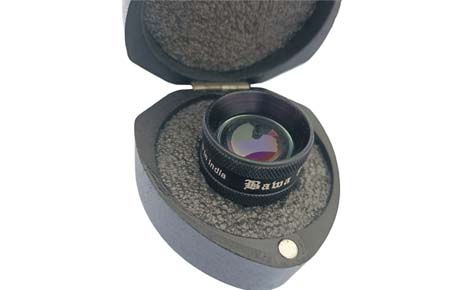
Key Features and Application
- Primary Use: General diagnosis and detailed pan-retinal examination (from the central retina to the periphery). It is a key tool for detecting diseases like glaucoma, diabetic retinopathy, and retinal detachments.
- Method: It is used with a slit lamp biomicroscope, not a direct ophthalmoscope. The technique is a form of indirect ophthalmoscopy and produces an inverted, laterally reversed image of the retina.
- Small Pupil Capability: A major advantage is its ability to be used effectively through a small or undilated pupil, making the exam more comfortable for patients who do not prefer or cannot accommodate dilation.
- Optics: It utilizes patented double aspheric glass optics to provide high-resolution, stereoscopic (3D) views of the retina.
- Ease of Use: Its small diameter ring (typically around 26mm) and optical profile make it ideal for dynamic fundoscopy and easy manipulation within the orbit, and it is a popular training lens for new students and residents.
Technical Specifications
Specifications can vary slightly by manufacturer, but typical values for a classic 90D lens are
| SL NO. | Feature | Specification |
|---|---|---|
| 1 | Field of View | 74° static / 89° dynamic (with tilting) |
| 2 | Image Magnification | 0.76x (the image is minified, but the slit lamp magnification is used to see it in detail) |
| 3 | Working Distance | 7 mm |
| 4 | Laser Spot Magnification | 1.32x |